
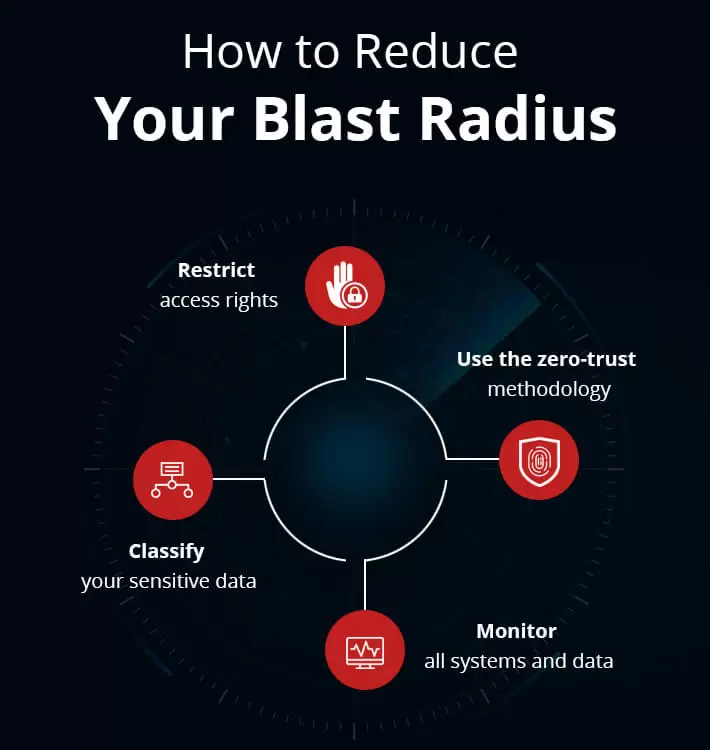
CISOs don’t lose sleep over one AI model.
They lose sleep over how fast one AI mistake spreads across cloud, data, and identity.
AI incidents don’t fail like traditional systems.
They cascade.
A single AI misstep can trigger:
- ❌ Data leakage across SaaS, APIs, and cloud storage
- ❌ Unauthorized model access through weak IAM bindings
- ❌ Compliance exposure across regions and regulations
- ❌ Business decisions made on poisoned or hallucinated outputs
This is the AI Blast Radius Problem —
and most organizations are not measuring it.
Cloud security teams still ask:
“Is the AI secure?”
But CISOs must ask:
“If this AI fails… how far does the damage travel?”
Across:
- Cloud environments
- Data lakes
- Identity systems
- Third-party integrations
- Business decision workflows
If you can’t map that blast radius,
you don’t have AI security —
you have AI optimism.
✅ Action for Today (CISO Move)
Start treating AI like a distributed risk amplifier, not a standalone tool.
Your CloudCSF mindset should shift to:
- 🔍 AI entry points (where data enters models)
- 🔗 AI trust dependencies (cloud, IAM, vendors, APIs)
- 📊 AI impact scope (data, decisions, compliance)
- 🧭 AI ownership & accountability
Because AI failures don’t stay local —
they travel at cloud speed.
🧩 Closing Thought
In the cloud era, we learned to measure attack surface.
In the AI era, CISOs must measure blast radius.
CloudCSF exists for this exact shift.
From:
“Is AI enabled?”
To:
“Is AI governable, auditable, and survivable?”
🔖 Hashtags
#CloudCSF #CISO2_0 #AIGovernance #AIExposure #CloudSecurity #AISecurity #CyberGRC #DigitalTrust #AITrust #TrustFabric #AICompliance #SecurityLeadership #ResponsibleAI