
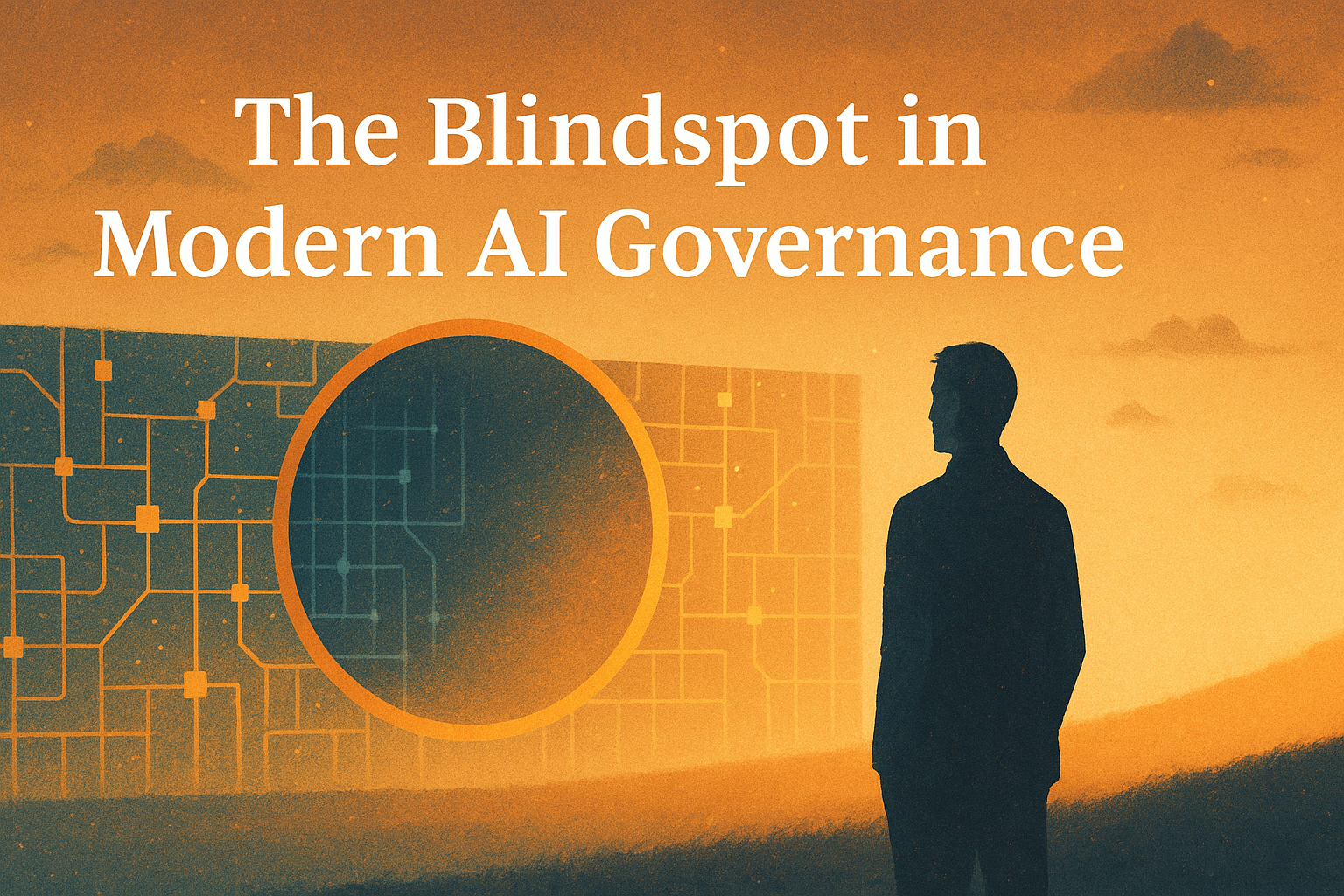


“Nothing Happened… and That’s Exactly the AI Risk You Should Worry About”
If your AI hasn’t caused an incident yet,
you’re not safe —
you’re early.
Most security programs are built around events:
- Breaches
- Outages
- Violations
- Complaints
AI breaks this model.
Because many AI risks:
- Accumulate quietly
- Remain invisible to SOCs
- Don’t trigger alerts
- Don’t look like incidents
Until suddenly… they do.
Examples CISOs are missing:
- AI outputs slowly shifting business behavior
- Sensitive data repeatedly exposed in prompts
- Decisions being influenced without audit trails
- Compliance assumptions drifting out of date
No alarms.
No tickets.
No incidents.
Just risk compounding in silence.
And by the time something does happen,
the board asks the wrong question:
“Why didn’t we see this coming?”
🧭 The CloudCSF Reframe
AI security cannot be incident-driven.
It must be signal-driven.
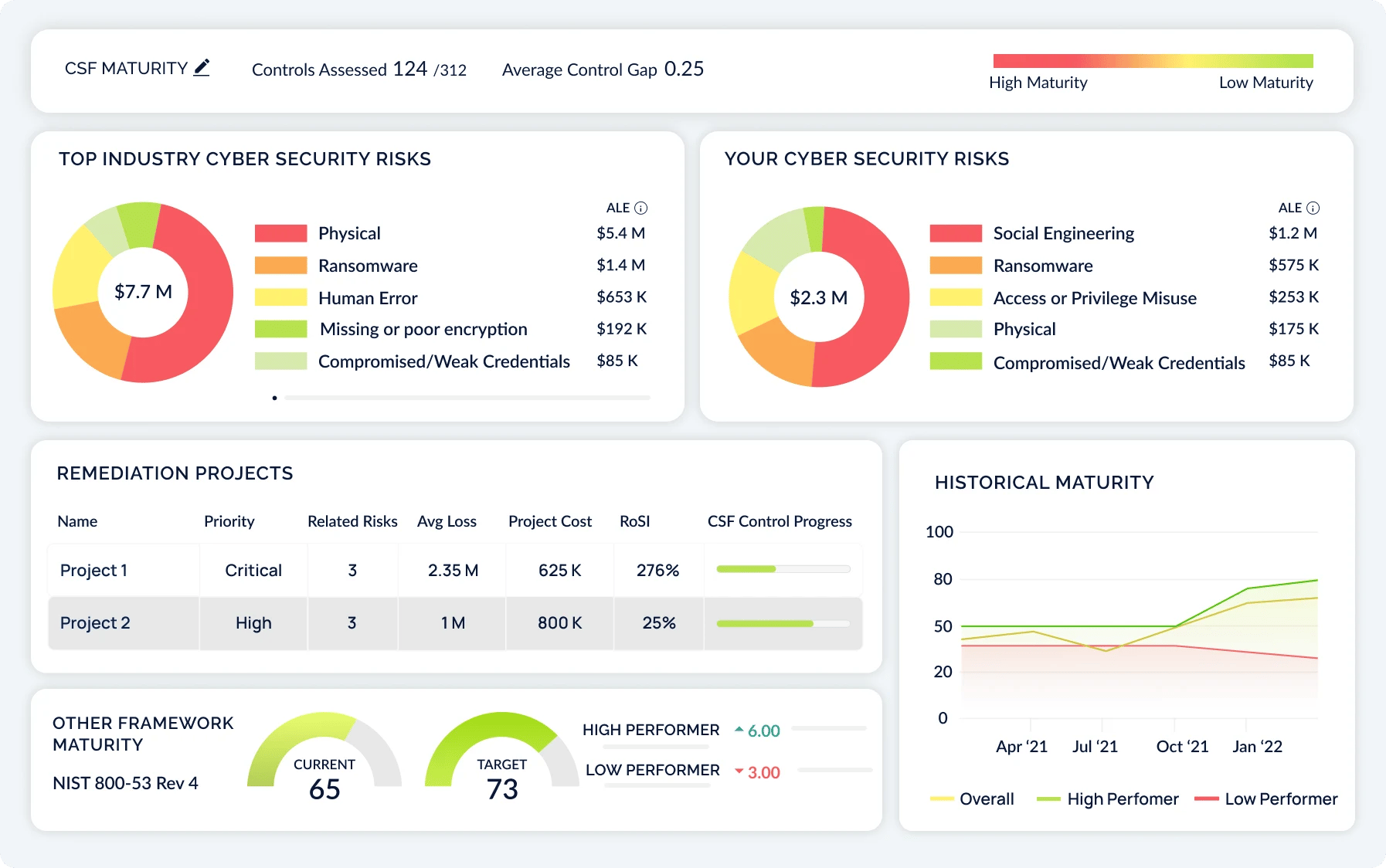
CISOs must start tracking:
- 🔍 AI exposure indicators
- 📊 Decision influence metrics
- 🧠 Model behavior changes
- 🧾 Governance gaps without failure
If your AI risk only appears after an incident,
you’re running security in retrospective mode.
✅ Action for Today (CISO Move)
Ask this question in your next leadership meeting:
“Which AI risks are growing right now, even though nothing has happened yet?”
If the answer is silence,
your AI governance is reactive by design.
🧩 Closing Thought
Traditional security asks:
“Did something go wrong?”
AI governance must ask:
“What is slowly going wrong right now?”
CloudCSF exists to help CISOs detect AI risk
before incidents, before headlines, before regulators ask.
That’s not paranoia.
That’s next-generation security leadership.
🔖 Hashtags
#CloudCSF #AIGovernance #AISecurity #CISO2_0 #DigitalTrust #AIExposure #CyberGRC #AICompliance #ResponsibleAI #TrustFabric #SecurityLeadership #AITrust